

1.Doing Cardio “The Wrong Way”:

There’s a delicate balance when it comes to cardio- If you don’t do enough you are cheating yourself, but if you do too much you are needlessly exhausting yourself.
The most important thing to remember is you want to reach your cardio potential by not doing less than 25 minutes or more than 45 minutes. This “magic zone” between 25 to 45 minutes is the fat burning zone where you can’t go wrong.
If you do more than this, you will hit a training plateau where your workouts become stagnant and your body “hits a wall” and you slow/stop your progress.
2. You’re doing the same thing over and over

You can’t keep doing the same workout and expect to see results; your muscles will hit a plateau. Nike Master Trainer Eva Redpath suggests using a training app (like Nike+ Training Club) to track workout intensity and make sure you’re continually challenging yourself.
3. Vague goal setting

“I want to get fit.” “I want to get strong.” “I want to lose weight”. These are all common goals people have but what do they all mean? How do you know you are stronger? How do you know when you have done well or when to tighten up on your nutrition?
How to fix: Get specific. “I want to lose weight” changes to “I want to lose 12 lbs before Christmas.” And “I want to get in shape.” changes to “I will do 20 minutes of exercise five days a week.”
4. Focusing On “Running” To Lose Weight:

In order to gain and maintain that strong sleek and sexy muscle tone, you need to focus more on weight training to build it up. Don’t do excessive cardio which will “eat away” at your muscle mass. Don’t run or try to embrace another form of low impact cardio.
Believe me, your muscle mass and your joints will thank me! Professionals lean towards the “no running” principle because it’s known to “eat away” at the muscle you work so hard to gain.
Don’t work against yourself and defeat your progress by running. It takes a lot of energy with no real gains, except for cardiovascular. You can receive cardiovascular benefits from other low impact versions such as using the Elliptical, Nordic Track, Air Stepper, and the Stair Master.
5. You’re going too hard, too fast
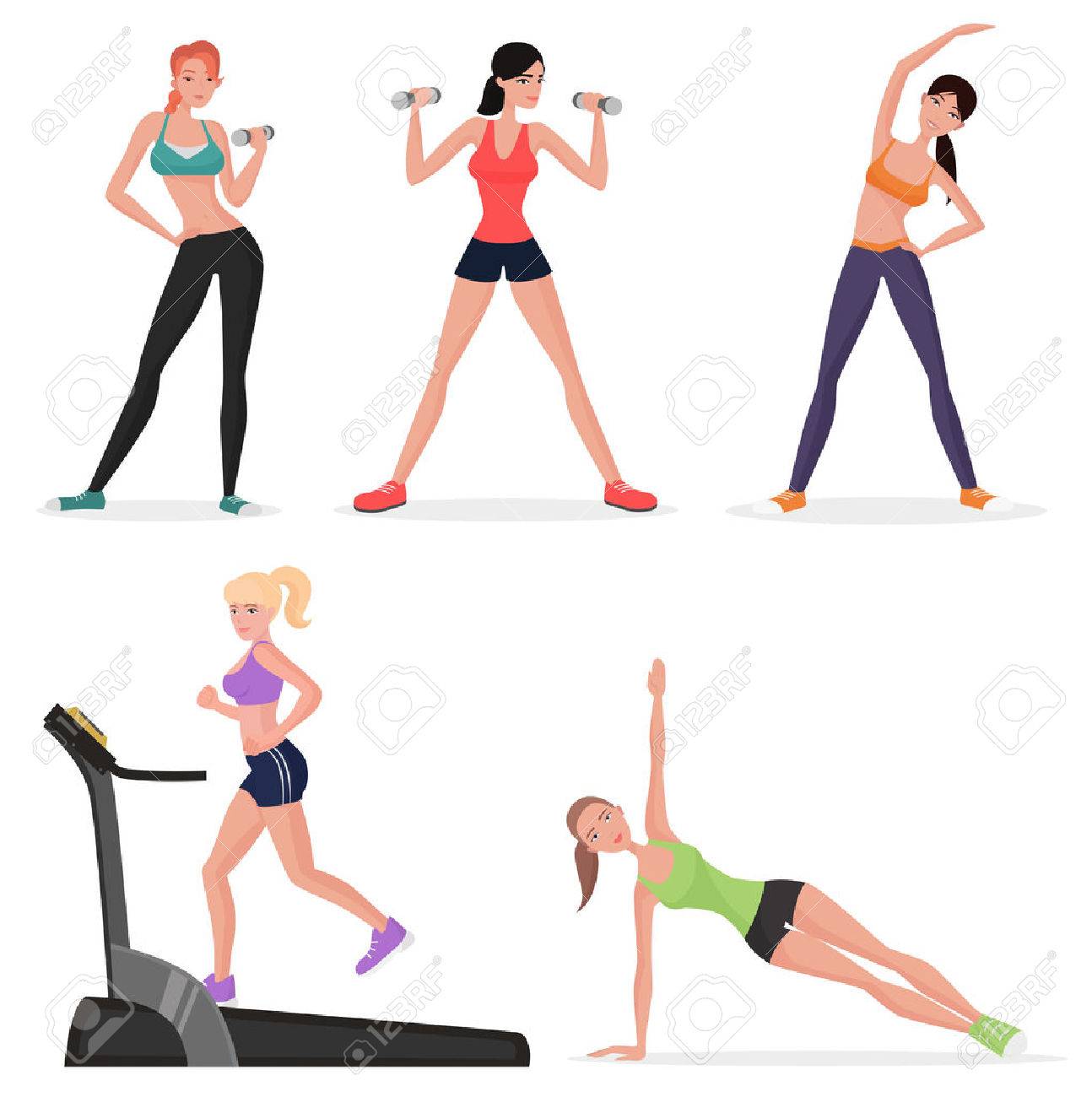
Once you decide to start a workout program, you typically hit the gym with a lot of energy. You’re ready to make some serious changes. But just because your mind is in the zone, doesn’t mean your body is.
6. Believing everything you hear

These people take pride in trying to stay up to date with new trends in fitness and exercise. They like to list the benefits or drawbacks of certain diets and exercise routines yet they aren’t in shape themselves. They believe the mainstream fitness information – fat is bad, whole grains are good, cardio is best for fat loss and girls shouldn’t lift weight.
How to fix – Find a friend or a professional who has got proven results. Follow their advice and stick to it.
7. Straining & Overtraining:

If you over train, your appetite will increase and you will start eating like a 250 pound football player.
Rather, train enough to blast fat and not to hit a plateau. Again if you over train, your body will “lock up” and not allow you to burn the fat off that you need too, because it will reach a state of “shock”, thus holding onto the fat.
8. Relying On A Scale To Track Your Progress:

Did you know that muscle weights more than fat? It is not fair to base your weight loss progress on the numbers that appear on the scale in the locker room or any scale for that matter.
Women also fluctuate up to 10 pounds of water weight, especially when they are on their menstrual cycle. Sometimes seeing the same number on the scale week after week can discourage you, so it’s best to just not look at it to begin with. Instead, rely on body fat measurements done with a caliper and also by how your clothes are fitting you.
9. Neglects nutrition
They believe that as long as they exercise it doesn’t matter what they eat. All they need to do is exercise more, right? Food is food. This type are usually super fit, like the triathlon crowd yet always have excess bodyfat. I cannot stress enough the importance of nutrition. You are what you eat. Food is not just important from a weight loss point of view it also plays an important role in the day to day functioning of your body and long term health.
How to fix: Start taking your food seriously. Invest your money in good quality unprocessed food. If you are worried about cost, buy your food in bulk. There are lots of resources online for eating well on a tight budget.
10. Not Taking Time To “Rest And Recover”:
It is important to balance your exercise with rest and recovery. It is this alteration of adaptation and recovery that will take you to a higher level of fitness. Remember, the greater the training intensity and effort you put into your workouts, the greater the need for planned recovery.
There are limits to how much stress the body can tolerate before it breaks down and risks injury.
If you’r looking for workout clothes check out our shapewear and yoga leggings page.
Sources:www.bodybuilding.com,www.besthealthmag.ca,wwww.lifehack.org




















.jpg)



















 Body To Shape