This new, smart mat is the must-have tool for her yoga sessions. Whenever she’s done, she just needs to flip the mat over, click, and let it roll on its own. At 5 mm thick, there’s plenty of cloud-like cushioning for her elbows, wrists and knees.
2. Leggings + Top
This combination make the perfect set for doing things. We’re obsessed with this crop long-sleeved top, and the leggings have just enough compression, so they’ll hold you in and stay put.
3. Workout Pants with Pockets
On every girl’s fitness gift wish list, you will find a pants with side pockets. Nothing more annoying for her than having to worry about where to leave her essentials like her phone or credit card.
These lightweight non-see-through workout pants combine fashion & function. They are made from the highest quality, and prefect for yoga, fitness, Pilates, running, or any other type of exercise activity.
4. THE VERSATILE GYM/DAY BAG
No one likes to have to cycle between multiple bags in the same day. Get her something she can take with her that will last from morning gym sessions to work or gym to errands. She can pack all her gear in one stylish, versatile tote that wouldn’t look out of place anywhere.
5. THE UNDERSTATED SMARTWATCH
This wearable from one of her favorite brands is a stylish fitness companion that can track her workouts, her heart rate, and oh yeah, the time. The device uses Wear OS from Google, so it plays nice with any type of phone, with smart features like notifications, GPS, and NFC payments.
6. AirPods With Charging Case
You can’t go wrong with these AirPods with Charging Case. They make the perfect gift, and are a gym necessity.
7. Removable Barbell Strap
We continue this list of best fitness gifts for her with another item that resolves a key issue while working out.
Most women love to wear a top to the gym, but when it comes to workouts involving barbells, it means the heavy metal is rubbing her bare skin.
No more thanks to this Fit Viva barbell strap, which she can easily take with her to the gym and attach & remove in mere seconds.
8. THE POST-WORKOUT MIRACLE WORKER
She can kiss her post-workout soreness (well, at least some of it) goodbye using this massage gun. Interested to learn some more?
9. Smart Water Bottle
ICEWATER is a smart water bottle that automatically tracks her hydration & reminds her when to drink.
It improves her workout by helping her take in more water and improve productivity and focus by avoiding dehydration.
Perhaps a simple yet nonetheless incredibly useful fitness gift for her!
10. Home Exercise Bike
For the person who has everything, or the person who wants to work out at home, or the person who loves spin but hates other people, there’s no better gift than this Home Exercise Bike. Take spin classes from the comfort and privacy of your own home.
If you’r looking for workout clothes check out our shapewear and yoga leggings page. Sources:www.menshealth.com,www.popsugar.co.uk,www.thegifthacker.com
Many people use exercise as their sole method of weight management, however studies have shown that exercise, when not combined with dietary changes, does very little in respect to losing weight. A study published in The British Journal of Sports Medicine found that when a group of obese people completed 12 weeks of supervised cardio workouts without dieting, most did not experience any significant weight loss results. However, it is important to remember that, while it may not lead to weight loss by itself, exercise still has plenty of other health benefits.
2. Sweating has no correlation to fat loss!
Sweating has nothing to do with actual fat loss as it is merely a cooling mechanism that your body naturally employs to control your body temperature and keep itself from overheating. Sweating is not only triggered by exercise. Perspiration also occurs when the weather is warm, you become overwhelmed by stress, nervousness, anxiety, or you feel scared. Losing fat comes solely from one major principle; burn more calories than you take in. Studies show that if you want to burn 1 pound of fat, you must burn 3,500 calories. This can be best accomplished by reducing the amount of calories you take in on a regular basis, as well as increasing your amount of physical activity.
3. Stretching Before Running May Lower Your Endurance
Many of us have been taught to warm up before exercise, however recent studies suggest that stretching before a run may not be beneficial to your workout. A study published in the Journal of Strength and Conditioning Research found that stretching before going for a run made a runner’s body less efficient so that they did not perform as well and were unable to run as far. Instead of stretching, try warming up with a walk and running-specific moves to mobilise your joints before your run. You should then make sure to include stretches as part of your post-run routine.
4. 60 percent of gym memberships go unused!
While purchasing a gym membership is the most widely accepted New Year’s resolution (over 15% of all American’s make this commitment each year according to WebMD), studies show that gym attendance dips back to normal by mid-late February. If you are an avid gym-goer this can be a very stressful time for you but you can make the assumption that your routine will be back to normal by Valentine’s Day!
5. Facebook Can Boost Your Fitness Motivation
You may not have thought that browsing Facebook could help with your exercise goals, yet research suggests that signing up to the site could seriously boost your fitness motivation. Firstly, the constant lurking danger of being tagged in an unflattering photo means that social media sites have become a huge weight loss trigger for many of us. In fact, a study by Fitbit identified unflattering Facebook photos as the new number one weight loss trigger for Brits. Furthermore, more research from Fitbit has revealed that 64 per cent of those surveyed felt motivated to workout as a result of fitness boasts made by their friends on Facebook.
6. Crunches will not give you a flat stomach!
Another very persistent myth surrounding the fitness industry is the idea that crunches are the key to a flat stomach. In reality, crunches do not burn very many calories and will deliver very few results if done exclusively. If you want to effectively trim your waist, you will need to pair a balanced, goal driven diet, with calorie burning cardio exercises
7. Married Couples Do Significantly Less Exercise
While marriage comes with plenty of health benefits, research suggests that singletons are much more likely than married people to follow a regular exercise routine. The poll commissioned by the Department of Health found that only 27 per cent of adults questioned met the recommended 150 minutes of physical activity per week and of these 76 per cent of the men and 63 per cent of the women were married. The researchers suggested that this is because married people “let themselves go” as they become more comfortable with each other.
8. Exercise is very good for brain function!
Maintaining a regular exercise routine is very effective in improving your brains function. Physical activity increases the amount of blood that flows to your brain which increases the amount of oxygen and other nutrients that is transported to your brain. Exercise also releases serotonin in your brain which is the human body’s natural anti-depressant. Serotonin is the chemical that is responsible for maintaining mood balance and a serotonin deficiency can lead to depression.
9. Women And Men Respond To Exercise In Different Ways
Exercise is a great activity to engage in as a couple, however it may not be a good idea for women to follow the exact same workout regime as their partner. A new study by researchers at the University of Missouri shows that women and men respond to exercise and diet in different ways, and that women need to do a lot more exercise and pay more attention to their diet to reap the same results as men. While exercising with your partner is a great way to stay motivated, try to tailor your workout to get the results you want.
10. Morning Exercise Could Make You Ill
While daily exercise is great for your health, research suggests that night owls may have an advantage over early-bird exercisers. A study by a researcher from Brunel University, Middlesex, found that heavy training sessions early in the morning compromised the immune system and put athletes at increased risk of infection from bacteria and viruses. While a morning jog or gentle exercise session is unlikely to put you at great risk – and may in fact be a great way to start the day – it may be best to save heavier workouts for later in the day.
If you’r looking for workout clothes check out our shapewear and yoga leggings page. Sources:www.realbuzz.com,www.newvisionbody.com
While he may not have the cultural relevance that some of the other stars on this list enjoy today, Woods has had a long and celebrated career in acting, producing, and voice work. However, his most impressive attribute may be the fact that his IQ is a truly incredible 180 – the highest on this list. Woods has displayed his intelligence in many ways over the years. While still in high school, he began taking linear algebra classes at UCLA. Further, after receiving top marks on his SATs, he earned a full scholarship to MIT.
2. Matt Damon – 160
Did you know Good Will Hunting was based on Matt Damon’s real life? Just kidding! But actually, Matt Damon attended Harvard (though later dropped out) and wrote the initial script for Good Will Hunting in his English class for an assignment.
3. Quentin Tarantino’s IQ is 160
The fact that he’s a high school dropout doesn’t change the fact that Quentin Tarantino’s IQ is 160. That must be why his film making skills are almost completely self-taught.
4. Lisa Kudrow – 154
We all know and love Lisa Kudrow from her days as ditzy Phoebe Buffay on Friends, but obviously she fooled us all, because she’s pretty brilliant. With a report IQ of 154, she graduated from Vassar College with a Bachelor of Science. She worked with her father for 8 years while trying to become an actress and earned a research credit on his study on the comparative likelihood of left-handed individuals developing cluster headaches.
5. Mayim Bialik (163)
Mayim Bialik stands out on this list not only because her IQ is incredibly high, with some reports holding that it is as high as 163, but also because of the character she played on The Big Bang Theory. Unlike many of the actors on this list, her most notable role actually matches fairly well with her true intelligence. Bialik holds a Ph.D in neuroscience. Although she earned the degree from UCLA, she could have attended some other prestigious institutions as well. She had offers to study at Harvard and Yale, but chose UCLA for its location.
6. Dolph Lundgren 160
Dolph Lundgren is best known as a big, tough action star, but with an IQ of 160, he is also a genius. He has a chemical engineering degree from the Royal Institute of Technology in Stockholm, as well as receiving a graduate degree from the University of Sydney in the same subject matter.
7. David Duchovny – 147
It has been reported that David Duchovny has an IQ of 147. He graduated from Princeton University in 1982 with a B.A. in English Literature. While there, his poetry received an honorable mention for a college prize for the Academy of American Poets. He got his MFA from Yale University in English and went on to begin a PhD, but that remains unfinished at the moment.
8. Ashton Kutcher (160)
Ashton Kutcher rose to fame as the dopey but charismatic Kelso on That ‘70s Show, but in reality he could not be more different. He has the astounding IQ score of 160, and briefly attended the University of Iowa before dropping out to pursue a career in entertainment. Most recently, Kutcher has used his mind for a great cause. He created an organization known as Thorn which fights against child pornography and sexual exploitation around the world. His impassioned speeches about this issue reveal both his character and intelligence.
9. Sharon Stone (154)
People cannot be faulted for not assuming that an actor and sex symbol like Sharon Stone is a remarkable thinker. However, this award-winning star holds the astounding IQ score of 154, meaning that she is as powerful in her intelligence as she is on screen. Her intelligence allowed her to accelerate in school, as she was only 5 years old when in second grade. Further, she accepted a scholarship to Edinboro University when she was only 15. Luckily for her fans, however, she left school to pursue modeling.
10. Shakira (140)
Although known more for her hips and voice than her mind, Shakira is an entertainer whose intelligence is as significant as her performance skills. She holds an IQ score of 140. In fact, her career’s success can be attributed to her great intelligence, as she writes her own songs. In addition, she either has a fluent or partial understanding of seven different languages. Further, she has studied at UCLA and has actually established several schools.
Jumping five places in this year’s ranking is Spain, overtaking Italy into top spot as the world. It seems like paella and gazpacho will be making it onto healthy food trend lists going forward with Mediterranean cuisine a clear winner for the Southern European country.
By 2040 Spain is expected to have have the highest life expectancy in the world
2. Monaco – Life Expectancy: 89.50
Because the European country is so wealthy, many residents of Monaco have their own chefs to plan healthy meals for them. But there’s a less obvious dynamic going on as well: many residents are retired or do not need to work, eliminating a significant source of anxiety, and, thus, associated health problems.
3. Japan
Life Expectancy: 84.19 (2013 EST.)
Why it’s Healthy: Put simply, the Japanese eat very well- they eat fish versus red meat, eat less dairy, butter, and milk, eat seaweed that is high in iodine, drink a lot of green tea, eat plenty of vegetables, and consume small portions.
4. Italy
First place was just out of reach for Italy in this year’s ranking with the Mediterranean nation well known for its great weather, plentiful natural wonders, and some of the world’s best, and seemingly healthiest, food.
Research has shown that Mediterranean diets are among the world’s healthiest and Italy maintaining a high life expectancy as well as boasting a so-called “Blue Zone” for high quality of life in Sardinia.
5. Singapore – Life Expectancy: 85
Singapore’s government promotes a clean and healthy environment through education, volunteering, and regulations. It’s likely that the country is so clean and the people so generally healthy because residents strive to be in compliance with national rules
6. Greece
Life Expectancy: 82.98 (2013 EST.)
Why it’s Healthy: The Greek live on a balanced Mediterranean diet of olive oil and fish. In addition, they are active on the water and on the varied terrain of the country. Remember that the Olympics started in Greece, so being active is part of their ancient culture.
7. Andora – Life Expectancy: 82.80
Located in the eastern Pyrenees and bordered by Spain and France, Andorra enjoys many of the benefits of its European neighbors: a Mediterranean diet, an active lifestyle, and mountain-based activities throughout the year.
8. Switzerland
Life Expectancy: 82.28 (2013 EST.)
Why it’s Healthy: The Swiss are in such great shape because they climb mountains just to get in their front door! Not only do they enjoy winter sports in the winter, but the mountains serve equally as a playground for the Swiss in the summer, for hiking and mountaineering. Unlike American ski areas that turn into ghost towns when the spring snow retreats, the Swiss take full advantage of their mountains every month of the year.
9. Iceland
A tiny, remote island in the North Atlantic it may be, but Iceland packs a punch well above its size when it comes to public health. Despite dropping from second place last time out, Iceland has a high life expectancy and a Nordic style welfare system with a vastly public healthcare model.
10. Sweden
Sweden, which boasts a strong government funded healthcare system which takes up approximately 12% of GDP, among the world’s highest.
If you’r looking for workout clothes check out our shapewear and yoga leggings page. Sources:www.businessinsider.com,www.getyourfit.com,www.healthfitnessrevolution.com
The telltale sign of overtraining is a lack of improved performance, despite an increase in training intensity or volume. Decreased agility, strength and endurance, such as slower reaction timesand reduced running speeds are all common signs of overtraining.
2. Stalled progress
The relationship between workload and recovery is dysfunctional and your acute workout performance is diminished, so the conditions for positive training adaptations no longer exist. You’re in quicksand. You’re working hard, but the longer you continue to struggle the deeper you sink.
3. Increased perceived effort during workouts.
Not only can overtraining decrease performance, it can also make seemingly effortless workouts feel unusually difficult. A clear sign of this is an abnormally elevated heart rate during exercise or throughout the day. If you are experiencing OTS, you may find that it takes longer for your heart rate to return to normal after a workout.
4. Excessive fatigue.
A few days of fatigue or “heavy legs” is expected at times. But fatigue will accumulate in a body that never has a chance to fully recover from previous workouts. Further, chronic, negative energy expenditure leads to something called “low energy availability,” which means that the body is consistently pulling from its own energy stores (carbs, protein, fat). This can be the result of too much training or too little fueling.
5. Erratic waking heart rate
Tracking morning heart rate, bodyweight, and mood is a common way to look for signs of overtraining. Occasional changes that go away within one or two days are pretty normal, but significant changes in any of them, and particularly two or more, over at least a 5-day period are cause for further investigation. For waking heart rate, look for a +/- 7-10 beats per minute change from baseline.
6. Agitation and moodiness.
Overtraining significantly affects your stress hormones, including cortisol and epinephrine. This hormonal imbalance can cause mood swings, unusual irritability and an inability to concentrate.
7. Reduced sex drive
It seems pretty logical that you’d be less interested in sex when you’re exhausted, and research has shown that increased training intensity and duration can have a negative affect on libido – for men and women. Some of this may be due to hormonal changes, including the increase in stress hormone cortisol.
8. Insomnia or restless sleep.
Sleep ideally provides the body time to rest and repair itself. But overproduction of stress hormones, as mentioned above, may not allow you to wind down or completely relax, making sleep much less effective (which compounds chronic fatigue and moodiness).
9. Illness/Injury
Your immune system and your body are taking too much of a beating and not getting enough time or support to recover. An athlete who is overtrained may experience frequent illnesses and illnesses that take longer than normal to go away. You may also be more susceptible to both overuse and acute injuries and are more likely to start getting a series of nagging injuries.
10. Loss of appetite.
A hormone imbalance can also affect hunger and satiety mechanisms. More training should stimulate more appetite, but the physiological exhaustion of OTS can actually lead to appetite suppression.
If you’r looking for workout clothes check out our shapewear and yoga leggings page. Sources:www.acefitness.org,www.trainright.com
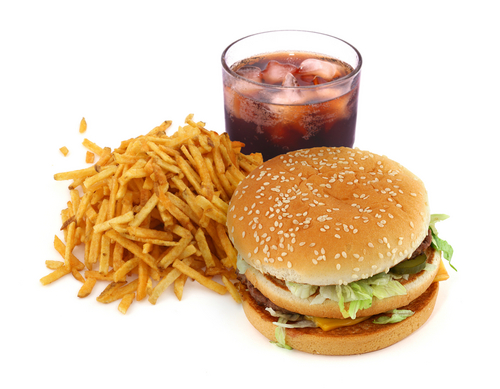
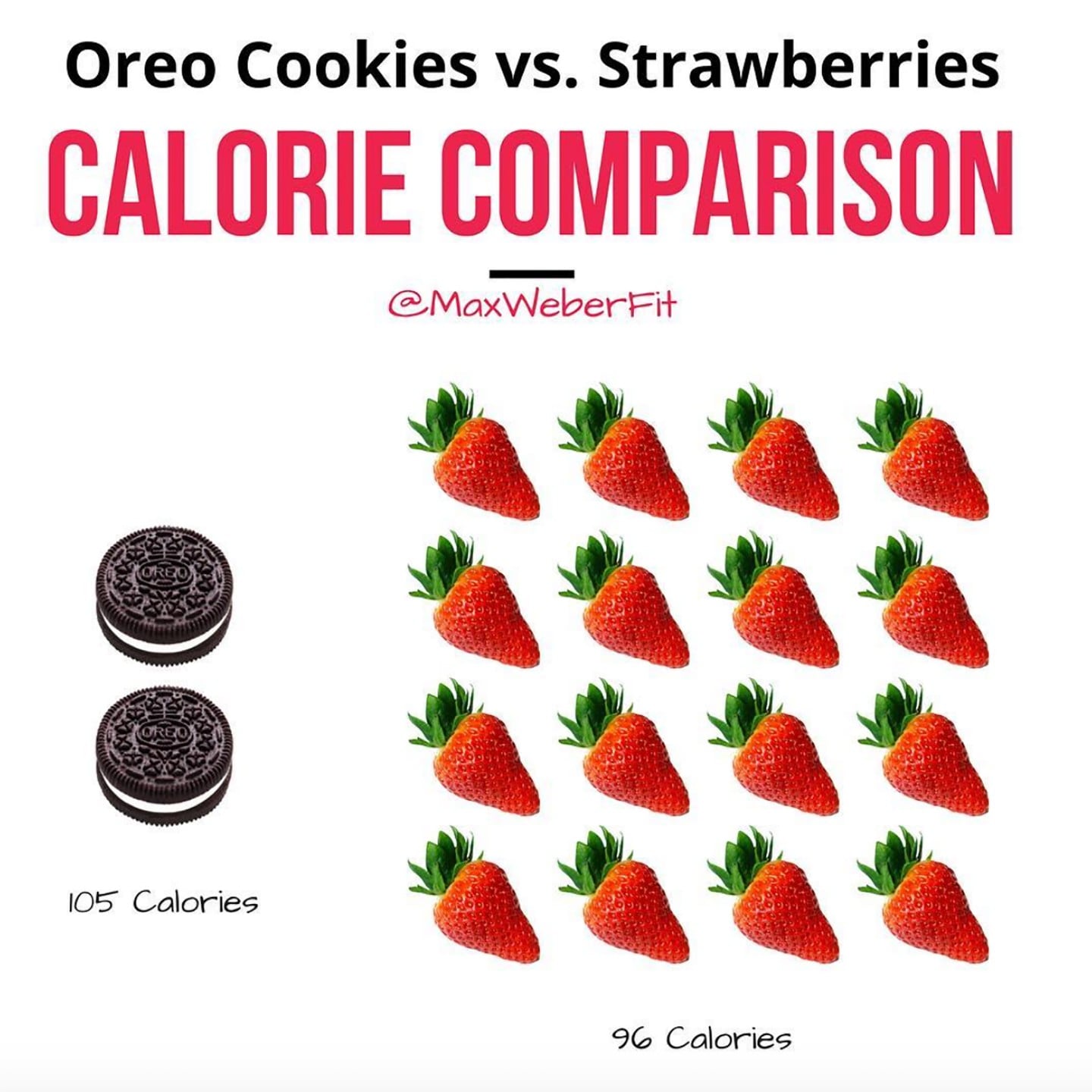
In the past few years, we’ve learned a lot more about how our bodies react to identical calorie levels from different foods, and a new Harvard study is further proof.
Another recent study found that saturated fats, like those found in butter, whole milk, and fatty meats, may override the body’s natural satiety mechanism (which enables you to feel full), whereas unsaturated fats, from plant sources like olive oil, avocado, and nuts, may enhance satiety, even when the calorie levels don’t differ.
A key study from Wake Forest University found that, even at the exact same calorie and fat levels, monkeys fed trans-fats gained four times more weight and 30 percent more belly fat compared to those given meals made with natural, plant-based fats.
2. Calories Fuel Our Bodies
Actually, they don’t
A calorie is simply a unit of measurement for heat; in the early 19th century, it was used to explain the theory of heat conservation and steam engines. The term entered the food world around 1890, when the USDA appropriated it for a report on nutrition. Specifically, a calorie was defined as the unit of heat required to raise 1 gram of water 1 degree Celsius.
To apply this concept to foods like sandwiches, scientists used to set food on fire (really!) and then gauge how well the flaming sample warmed a water bath. The warmer the water, the more calories the food contained. (Today, a food’s calorie count is estimated from its carbohydrate, protein, and fat content.) In the calorie’s leap to nutrition, its definition evolved. The calorie we now see cited on nutrition labels is the amount of heat required to raise 1 kilogram of water by 1 degree Celsius.
3. Weight gain is caused by eating more calories than you expend.
Calorie fetishists love pointing out that weight gain requires overeating. That is, everyone who gains weight necessarily ate more calories than they expended. Okay. We’ve established that everyone agrees on this. But it’s just restating the issue. It doesn’t tell us anything new or useful. It’s merely descriptive, not explanatory.
To show you what I mean, let’s do the same thing with other phenomena.
Why did Usain Bolt win the 100 m final in the Beijing Olympics? Because he crossed the finish line first. Why is the restaurant so crowded? Because more people entered than left.
4. Myth 3: Counting calories is the key to weight control
A recent study from the University of California, San Francisco found that it can actually backfire.
The researchers randomly assigned 121 women to one of four diets: Group one tracked their calories, keeping them to 1,200 a day.
Group two ate normally, but recorded the number of calories they consumed. Group three ate 1,200 calories a day, but did not have to record them, and
Group four ate normally, without any calorie-tracking. At the beginning and end of the three-week study, the researchers measured each woman’s cortisol and stress levels. When calories were restricted, cortisol levels rose. In addition, calorie-counting (even without cutting) made the women feel more stressed out.
5. Exercise Burns Most of Our Calories
Not even close
Even the most fanatical fitness nuts burn no more than 30 percent of their daily calories at the gym. Most of your calories burn at a constant simmer, fueling the automated processes that keep you alive—that is, your basal metabolism, says Warren Willey, D.O., author of Better Than Steroids. If you want to burn fuel, hit the gas in your everyday activities.
“Some 60 to 70 percent of our total caloric expenditure goes toward normal bodily functions,” says Howell. This includes replacing old tissue, transporting oxygen, mending minor shaving wounds, and so on. For men, these processes require about 11 calories per pound of body weight a day, so a 200-pound man will incinerate 2,200 calories a day—even if he sat in front of the TV all day.
6. Exercise Only Matters Because It Burns Calories
If you’re in the mindset that calories are king, then you might be driven to exercise to lower your daily calorie count so that you can (a) eat more food or (b) lose more weight.
If your motivation to exercise is only driven by burning calories, you’re misunderstanding the human connection to physical movement.
While exercise has become a chore of today’s overworked, chronically busy society, it is a basic physical need for human health – not just to lose weight. Physical movement is not just good for weight loss but necessary for the health of our muscles, heart, digestion, and hormones.
7. Low-Calories Foods Help You Lose Weight
Not always
Processed low-calorie foods can be weak allies in the weight-loss war. Take sugar-free foods. Omitting sugar is perhaps the easiest way to cut calories. But food manufacturers generally replace those sugars with calorie-free sweeteners, such as sucralose or aspartame. And artificial sweeteners can backfire. One University of Texas study found that consuming as few as three diet sodas a week increases a person’s risk of obesity by more than 40 percent. And in a 2008 Purdue study, rats that ate artificially sweetened yogurt took in more calories at subsequent meals, resulting in more flab. The theory is that the promise of sugar—without the caloric payoff—may actually lead to overeating.
8. Cutting 3,500 calories equals one pound of weight loss
The formula of cutting 500 calories a day to lose a pound a week has been touted for decades, but it doesn’t always work.
In addition to the unwanted side-effects under Myth 3 (raging hunger hormones and stress), if, by subtracting 500 from your current calorie intake you wind up eating less than it takes to support your ideal weight, you could wind up losing muscle mass and slowing down your metabolism, which in turn can make it harder to continue losing weight and easier to gain it back.
/**/
If you’r looking for workout clothes check out our shapewear and yoga leggings page. Sources:www.cbsnews.com,www.active.com
As a former postpartum nurse, I noticed how often new mothers put their needs last. It seems often families look at postpartum time as party time. I have seen c-section moms sleeping in the same room as 15-20 family members talking loudly and passing baby around for hours. My best advice is for new mothers to have 1-2 designated family helpers to be there to help care for baby while she gets much needed naps throughout those exhausting first days. Baby’s hunger cues are often missed when there are too many visitors for long stretches of time. It is difficult for new mothers to set limits.
2. Exercise.
Running may feel like the last thing you want to do, but engaging in just a bit of activity every day can help battle the symptoms of postpartum depression. You can try going for a walk around the neighborhood, or a local yoga class. You can even look up a guided yoga practice or a good light workout video online to do in your living room.
3. Don’t be afraid to ask people to leave.
I have seen so many new mothers that are worn out from feeling like they cannot turn people away. Turn off your phone too. I wish I did for the first couple of days.
4. Holistic approaches to healing.
Massage, acupuncture, and breathing techniques are great alternatives to try. Mind, body, and soul connection is important for mental health, so why not give something different a try? Find a local massage practitioner who works with pregnant women and new mothers, or an acupuncturist who can specifically treat various conditions.
5. Limit your visitors.
You will not get this time back. Use it to bond as a family, seek help with breastfeeding. Skin to skin is the best bonding tool! We want to help you succeed with breastfeeding. You can press your call light for every feeding if you need to. Your baby needs your love and protection. You are your baby’s primary advocate. Not all mothers’ choose to or are able to breastfeed. How you feed your baby is your decision and your nurse will support you. Ask visitors to wait until you’ve been home for at least a couple weeks. Settle in, recover. Don’t be afraid to ask for help. If someone wants to visit, ask them to leave their little ones at home.
6. Support groups.
There are many women experiencing the same thing right now. Listening to someone else’s version of postpartum depression and sharing your own can work wonders. Seek out a meeting in your area and give it a try. You may just meet that mommy friend you need.
One-on-one therapy can also help you discover where the depression is coming from, and how to take steps each week to heal. Try looking for a therapist who has worked with other postpartum moms, and maybe even a therapist who has kids herself.
7. Good nutrition is key.
Have a healthy snack each time you feed baby if you don’t have an appetite. Try to get a good four hour blocks of sleep several times a week. Ask support people to change, burp, comfort baby and only bring baby to you for breast feeding to extend your sleep when tired. Have a good support system and don’t be afraid to ask them for help. Soak up the sun when you can. Have an enjoyable activity to look forward to each week. Try to get out of the house, but if you can’t do something you enjoy at home or pamper yourself. Relax and enjoy your baby. Use what works for you and don’t try to follow everyone else’s advice.
8. Human interaction.
After taking some time for yourself, focus on other people. Can you and your partner set up a date night every other week? Can the two of you take five minutes each day to talk and reconnect?
Spend time with friends and family members, too. Go shopping with a friend, or meet a sibling for coffee.
9. Trust yourself and your instincts.
Pick and choose the advice, tips, expert advice etc. that works for you. And know that if you’re worried about being a good mom, you already are.
10. Self-care.
Although you may not feel up to it, attempt to put yourself first. Carve out some time each day to be alone. Take a shower, read a book, sleep, make yourself a good meal, go for a walk, or just go sit at a park. Your baby needs you, but a healthy you.
/**/
If you’r looking for workout clothes check out our shapewear and yoga leggings page. Sources:www.huffpost.com,psychcentral.com
It is not surprising that basketball is the world’s highest paid sport. As well as earning millions per year in salary, the NBA’s best basketball players earn a huge amount of money from their various endorsements and sponsorships, more so than any other sport.
A quick glance at any Forbes Magazine’s list of highest paid sportsmen will find basketball well represented with the average player earning a $4.9 million per year. Top players can earn even more, with Kobe Bryant of the LA Lakers earning over $30 million in the 2013/14 season.
2. Professional Baseball Player
Successful Major League Baseball (MLB) players have implemented rigorous off-season training programs to improve strength and flexibility. The MLB season contains 162 games, as well as several rounds of playoffs, so players must cope with a taxing travel schedule. Many experts believe that hitting a baseball is one of the most difficult tasks in sports, requiring players to practice their batting skills to maintain an edge continually.
MLB players averaged an annual salary of 4.52 million in 2018. Backed by a strong union, players are afforded the security of guaranteed contracts and a generous pension program. Most of the professional baseball players in the United States play for one of over 240 minor league teams.
They receive much lower compensation, between $1,000 – $3,000 per month, with no guarantee that they will ever make the big league team. However, the top 100 players drafted from college or high school receive bonuses ranging from $500,000 to two million dollars.
3. Boxing
The game of boxing has also made its mark among the very best paying sporting event. It also earns its place as one of the most dangerous sports of modern days. Well-known boxers earn huge amounts as their tournament prize money. They also get good amounts of profit from Pay-Per-View commissions, betting, and endorsements. One of the greatest boxers Mike Tyson topped the Forbes list in 1991 with $28.6 million. He again repeated the same in 1996 with a total income of $75 million. Former international boxer Evander Holyfield topped the Forbes list of Richest Players with $60.5 million in 1992.
After a short break as a contribution of the boxer in the Forbes list of Richest Players, Floyd Mayweather topped the list with $85 million income in 2012 and again achieved the first place in 2014 with $105 million income.
4. Ice Hockey (NHL)
Average Salary: $2.58 million
The NHL is popular across the USA, Canada as well as many European countries. Its number three position may be surprising to some as the NHL does not create anywhere near as much revenue as the NFL, NBA or MLB. However, there are less teams and players in the NHL which increases the average salary figure. The highest paid player in recent years is Shea Weber of the Nashville Predators, earning a reputed $14 million per year.
5. Professional Football Player
David Madison / Getty Images
National Football League (NFL) players engage in one of the most physical sports, in which athletes collide at high speed. Strategy in football exceeds most other sports in its complexity. Players must study and master extensive playbooks to prepare for a myriad of potential game situations. Injuries are common, and players spend considerable time in physical therapy and other treatment settings to repair the damage.
Recent attention has centered on traumatic brain injuries, and the NFL has instituted limits on player contact during practice sessions. The average length of a player’s career in the NFL is by far the shortest of all major sports, only about 3.5 years.
Although the NFL is America’s most popular and lucrative sport, NFL players are compensated at a much lower level than other major sports. Average salaries for NFL players on various teams ranged from 2.07 million to 2.99 million in 2017/18.
6. Auto Racing
Auto Racing
Several racing events such as the Grand Prix of Formula1 or NASCAR earns its reputation for being one of the highest paying events in the sports universe. The involvement of risks is compromised by great winning amounts and several endorsements of reputed brands. F1 legend Michael Schumacher achieved the first place of the Forbes list of Richest Players in 1999 with a total income of $49 million.
He again achieved the same in 2000 with $59 million. Long before that, Ayrton Senna achieved the 3rd place of Forbes list of Richest Players in 1992 with $22 million. And the same year Nigel Mansell also achieved the 4th place on the list with a total income of $14.5 million.
7. American Football (NFL)
Average Salary: $2 million
NFL salaries have been steadily growing over recent years and it may be surprising that it doesn’t feature higher up in our list. However, the NFL doesn’t have quite the geographic spread of viewers that sports like the NHL and MLB do which can affect the value of sponsorship deals.
There are also more teams in the NFL and there are 11 players on each team too which affects the average salary. Some NFL players do rank well in the individual earnings tables such as Aaron Rodgers of the Green Bay Packers who earns $22 million per year.
8. Soccer
Soccer
Without even saying, football or soccer is the home of some of the highest paying sports contracts. English football player David Beckham first achieved the 8th place in the Forbes list in 2004 with a total income of $28 million. He again achieved the 7th place in the list in 2005 with a total income of $32.5 million and achieved the 6th place in the Forbes list of Richest Players in 2007 with $33 million. Brazilian soccer star Ronaldinho achieved the 9th place in the list in 2007 with $31million. David Beckham again achieved the 2nd place in 2008 with a total income of $50 million.
Last year, Portuguese footballer Cristiano Ronaldo achieved the 1st place in the 2017 Forbes list of richest players with a total income of $93 million. Besides, another legendary Argentine footballer Lionel Messi also achieved the 2nd place in the list last year with a total income of $86.2 million. at the moment Messi is the highest-paid footballer in the world, followed by Ronaldo.
9. Golf
Golf
Legendary golfer and one of the most successful athletes of any genre, Tiger Woods, still holds the history of achieving the first place in Forbes list of Richest Players, a record eleven times. He first topped the Forbes list in 2002 with $69 million. Then in 2003 with $78 million, in 2004 with $80.3 million, in 2005 with $87 million, in 2006 with $90 million, in 2007 with $100 million, in 2008 with $115 million, in 2009 with $110 million, in 2010 with $105 million and in 2011 with $75 million. Finally, he tops again in 2013 with a total income of $78.1 million.
10. Tennis
Tennis is one of the most popular sports and is played by millions worldwide. WTA tours, undoubtedly, mark its name for being one of the highest paying tournaments in the world. And the tennis players have frequently achieved positions in the Forbes list of richest players.
If you’r looking for workout clothes check out our shapewear and yoga leggings page. Sources:www.rulesofsport.com,www.thebalancecareers.com,www.sportsshow.net
Yes, it seems like running. No, it’s not exactly running. A sprint, in its truest form, is very different from a traditional distance run. When you run, say, 3 miles, you’re aiming to conserve energy as much as possible, keeping your arms steady and running in very upright fashion.
A sprint? Now, instead of bouncing lightly off the ground, you’re attacking the ground to create speed. You start with your chest forward, aggressively swing your arms, and slam into the ground with every footstep. It’s an explosive, powerful act, and yes, it can blast fat.
2. Jumping rope
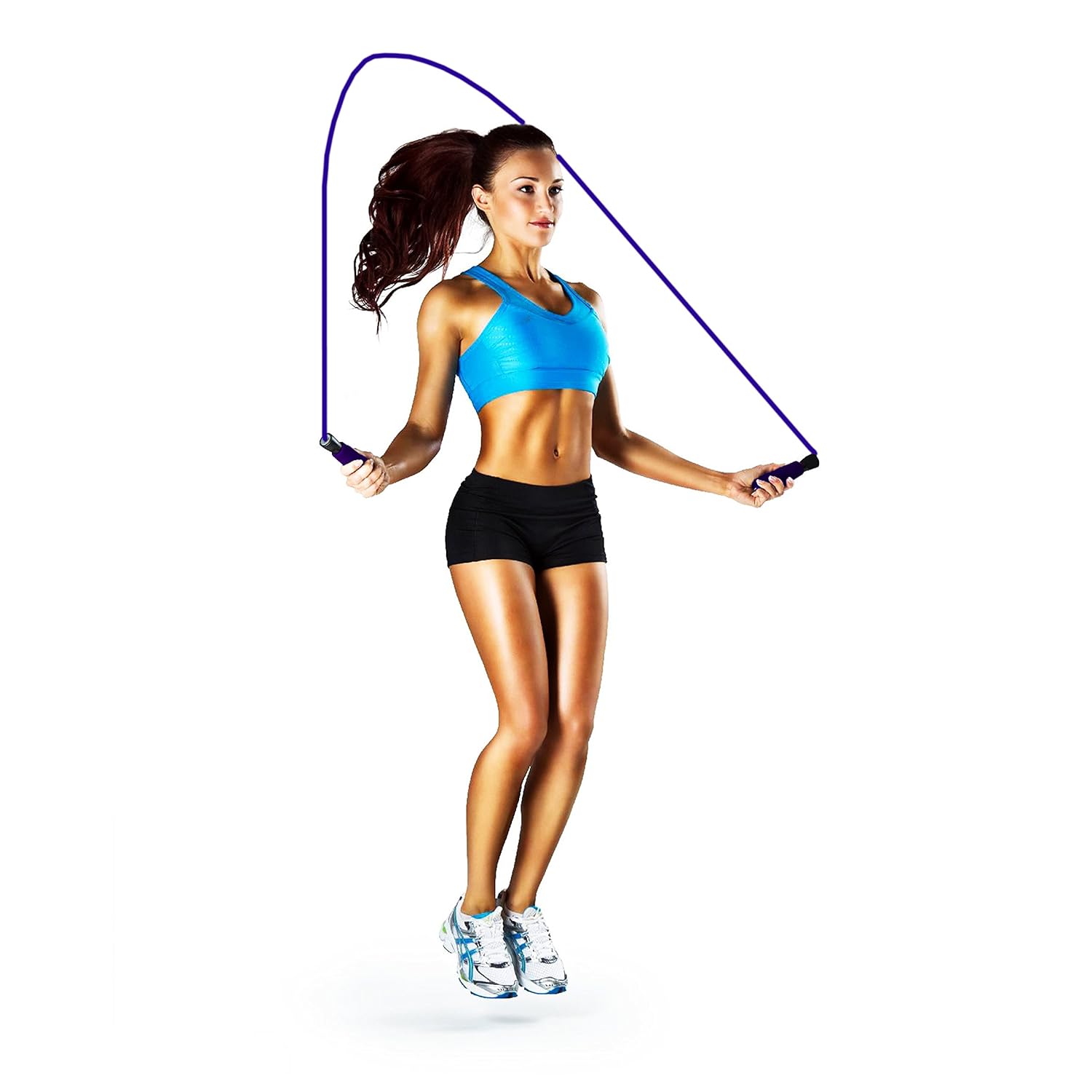
It’d be tough, but if you could jump rope for an hour straight, you’d burn 748 calories.
In an interview with INSIDER earlier this year, celebrity trainer Corey Calliet recommended jumping rope as a simple way to get started when you’re new to working out.
3. Swimming
We’re not talking a leisurely swim here, but if you choose the right stroke and maintain a high level of intensity, calories burned swimming can be more than running. “Swimming is one of my favorite exercises because it not only involves your entire body but also puts less stress on your joints,” reveals Dempsey Marks, fitness expert and creator of the PreGame Fit fitness and lifestyle program. “
With each stroke you must use your legs, arms, and core just to stay afloat. That is a great start to calorie burn because of muscle recruitment.” Marks recommends the butterfly stroke to maximize calorie burn and says an average 150-person person will burn 400 calories per half hour.
4. Bodyweight Walking Lunges for Time
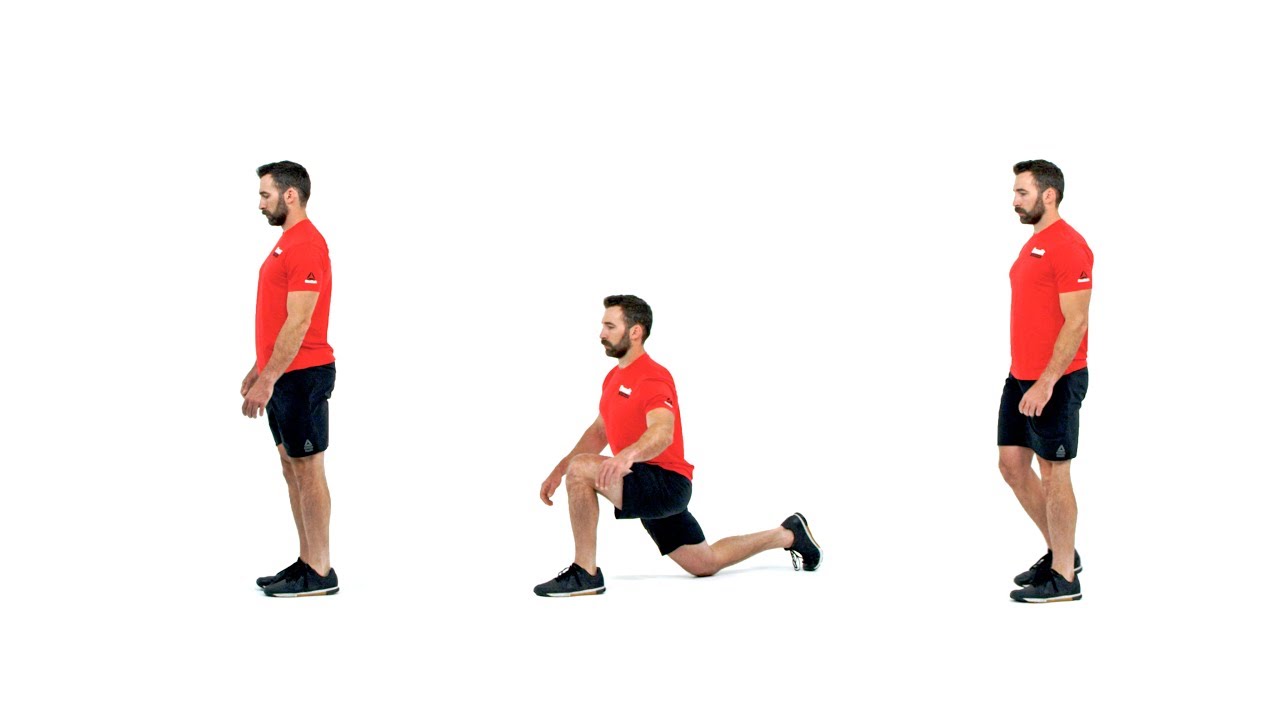
The classic walking lunge, a staple of plenty of leg workouts, is a great way to incinerate fat. Just find a large space (or better yet, hit your outdoor 400-meter track), and start doing walking lunges. Aim to work for at least 5 to 10 minutes, doing your best to do so without taking a break.
The entire endeavor will have you breathing hard, because you’re essentially repeating a bodyweight strength move over and over and over again. You’re also building leg strength and endurance as you go.
5. Cross-country skiing
Elite cross-country skiers can burn more than 1,000 calories an hour during a race — that’s basically the equivalent of a fully loaded Chipotle burrito.
But even cross-country skiing at a moderate pace will burn 612 calories an hour.
6. Rock climbing
You don’t need to live near mountains to reap the health—and mental—benefits of rock climbing, as indoor climbing gyms are opening up across the country. “A climb uses virtually every muscle in your body,” says Dempsey. “Think of it … from the tips of your fingers to the ends of your toes, large group muscles are always engaged such as your back and legs.” The number of calories burned by rock climbing depends on the intensity, pace, and difficulty of the climb. According to Marks, the average 150-pound person can burn up to 400 calories in 30 minutes.
7. The Ski-Erg
One of the most fierce ways to get your heart rate up is the Ski-erg, a cardio device that’s supposed to simulate cross-country skiing. To get the Ski-erg going, you need to aggressively and powerfully bend at the knees and hips while also pulling downwards hard on a pair of ropes attached to a variable-resistance fan.
It’s a potent and versatile workout. You can easily go for, say, 2,000 meters. But you could also break this up into aggressive intervals, pushing hard for 20 seconds, then resting for 10 seconds, and repeating that pattern for 6 fat-blasting minutes. No matter what, expect to be drenched in sweat.
8. Basketball
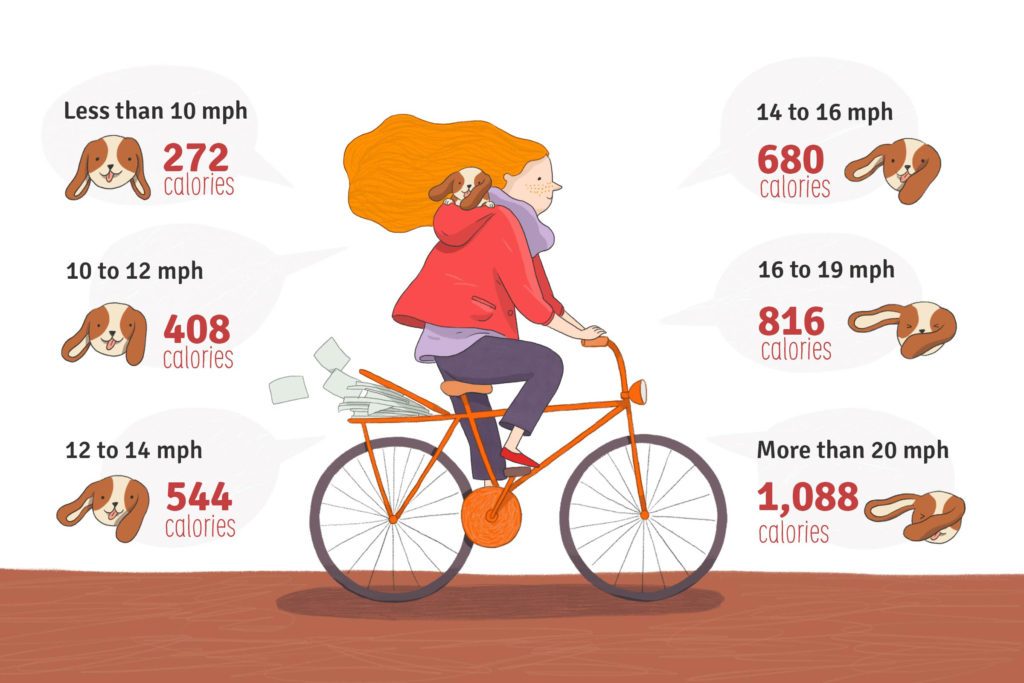
In the mood for a team sport instead of a workout? Playing basketball can burn 544 calories an hour.
9. HIIT
“You burn calories, build muscle, and you don’t need any fancy equipment. With any HIIT workout, I like to combine cardio movements with body weight strength movements to ensure the body burns calories not only during the workout but also after.” Schaltze’s advice is start with basic movements, performing them back-to-back with minimal rest. Her 10-minute HIIT workout consists of 50 jumping jacks, 40 alternating side lunges, 30 tricep dips (using a chair), and 20 squats or squat jumps. Set a timer for 10 minutes and do as many rounds as you can in that time.
10. Mountain Biking
Get your cardio in by hitting the great outdoors on a bike. Spending a few hours biking along trails will do more than rev up your metabolism. It’ll challenge your balance and athleticism as you react to varied terrain.
It’s a perfect way to get outside, too, giving your body a much-needed dose of fresh air.
If you’r looking for workout clothes check out our shapewear and yoga leggings page. Sources:www.menshealth.com,www.insider.com,www.thehealthy.com
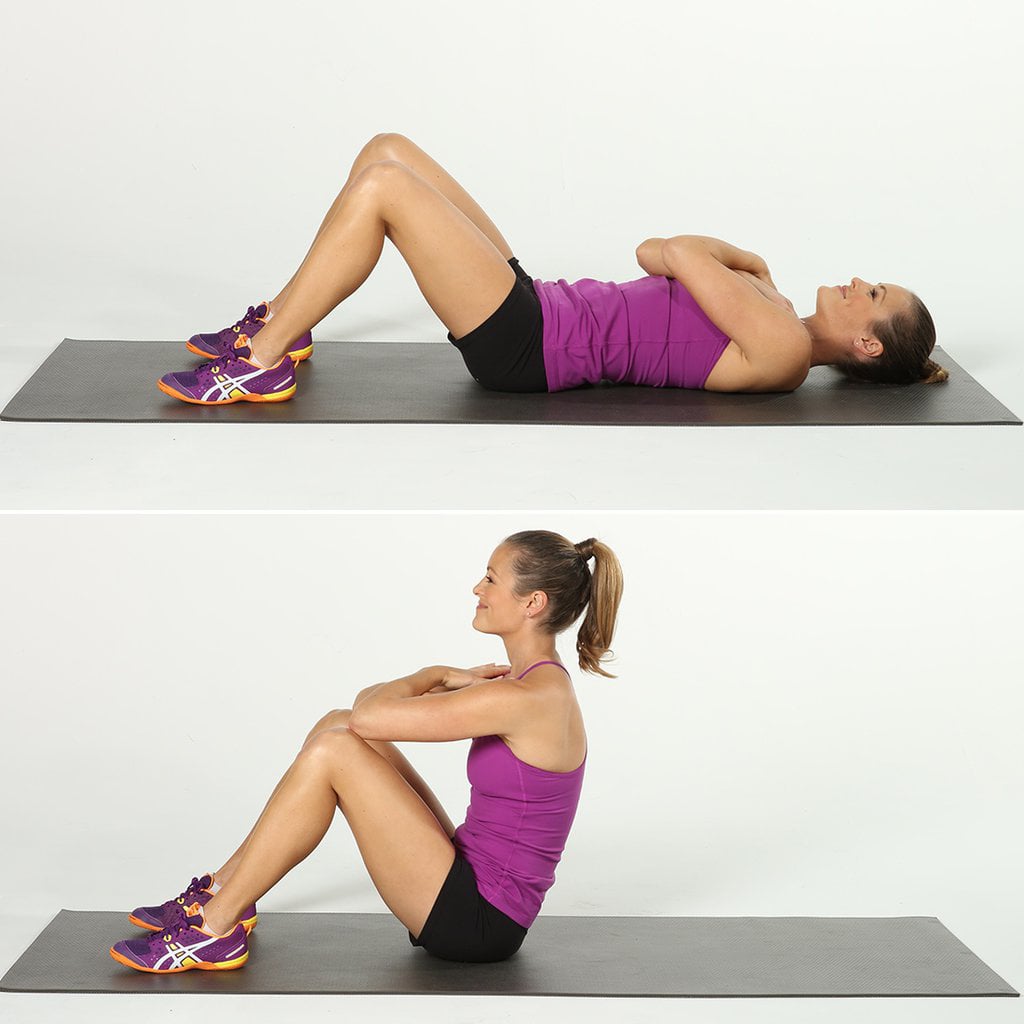
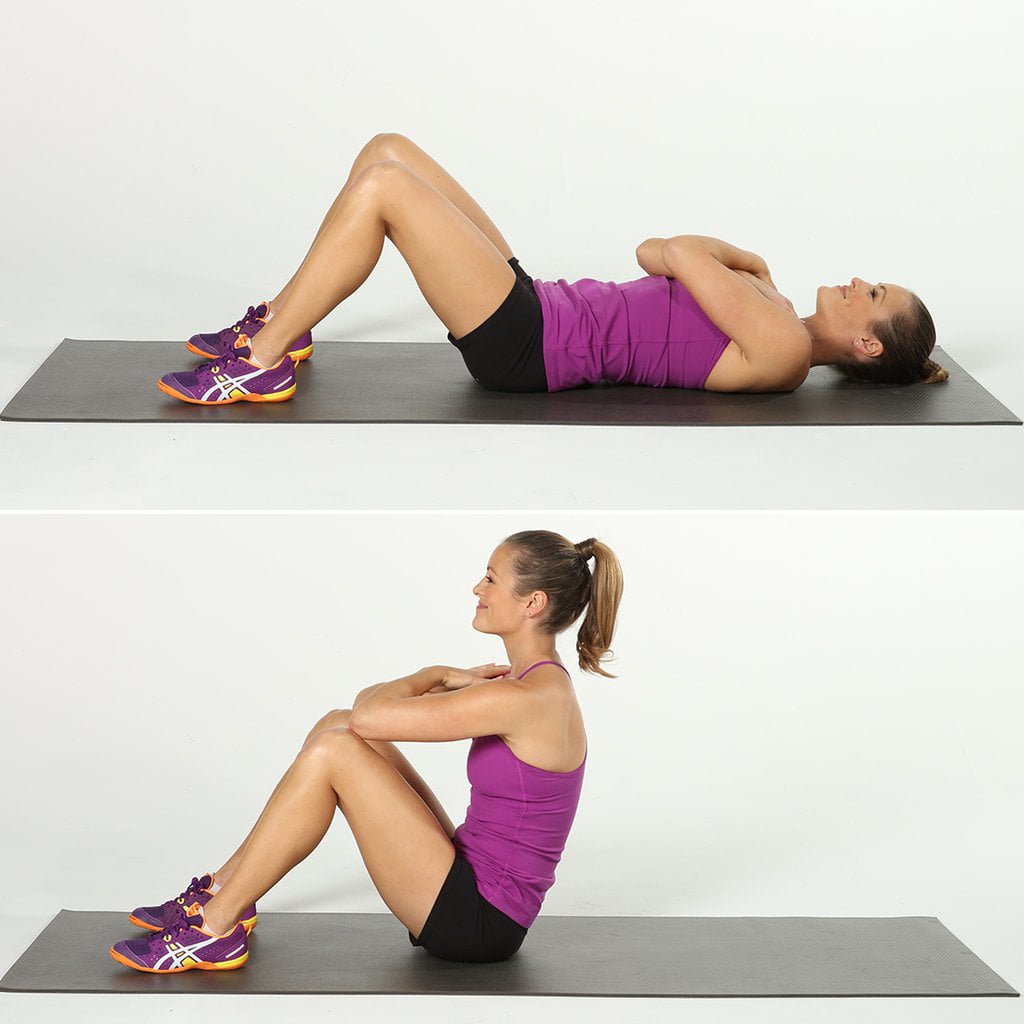
The worst thing that has ever happened to the fitness industry was the creation of the sit up. Far too many people believe that performing this horrible exercise will give them a six-pack.
While this exercise will indeed cause fatigue of the abdominal muscles, you are doing it at the expense of your spinal health.Performing sit-ups is not a functional movement of the human body. Aside from getting up from bed in the morning, how often do you flex your spine from a lying position?
2. Smith Machine Squats
Squatting on a Smith machine might look like a safe alternative to the squat rack. In reality, it’s anything but. When you lower into a squat using a Smith machine, your back stays straight and almost perfectly perpendicular to the ground, which compresses and stresses the vertebrae, says Lou Schuler, C.S.C.S., co-author of The New Rules of Lifting Supercharged. Also, since using the Smith machine requires leaning back into the bar, you overly stress your knees, never fully contract your glutes or hamstrings, and don’t train your core.
3. Upright Row
The upright row is an exercise which intends to work the lateral deltoids and even traps. But the problem is they cause too much internal rotation of the shoulders which can cause impingement issues.
Now, a lot of people get away with doing this exercise but issues aren’t always immediate. The strains that we place on joints now, can most certainly cause problems down the road. So, it’s just best to skip this one altogether.
Our joints can often come back and kick us in the butt when we least expect it. So, be safe and allow your body to move through as natural of a movement as possible when training.
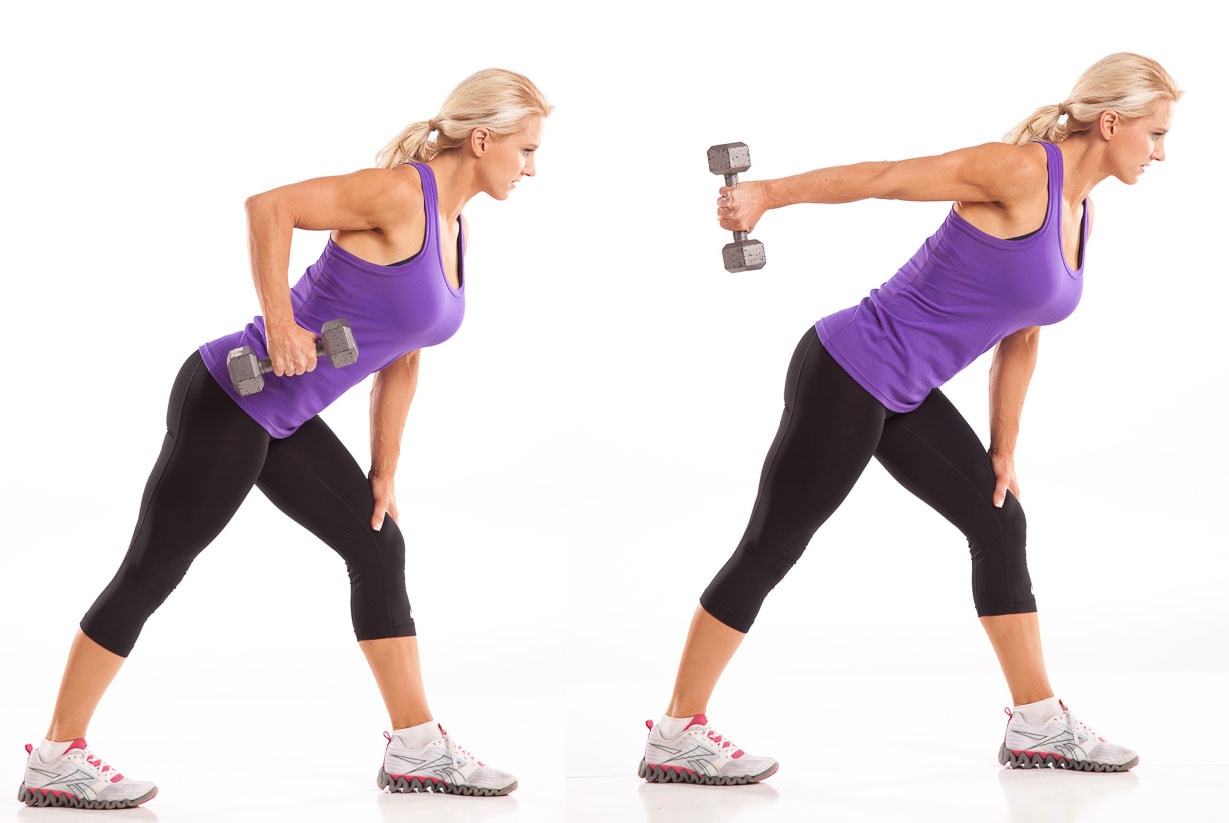
4. Tricep Kick Backs
This exercise is just worthless.
First of all, too many people do it with incorrect form, AND they lack the flexibility to perform a full range of motion.
Secondly, you are severely limited by the amount of weight you can use in this exercise. It’s just too awkward to use any significant resistance as your shoulders have to be in an extended and externally rotated position.
5. Machine Leg Extensions
How often do you just sit around and kick out your legs? Probably not often—if ever. So why do so in the gym? “There’s no functional benefit to leg extensions,” says strength coach and personal trainer Mike Donavanik, C.S.C.S., C.P.T. (Functional exercises use your body’s natural movement in ways that apply to real-world motions.) Plus, your knees aren’t designed to carry weight from that angle, which could cause injury. While your injury risk is low if you have otherwise healthy knees, why take the risk if the exercise isn’t even functional to begin with?
6. Behind-the-Neck Cable Lat Pulldown
Here’s another exercise which can potentially jack up your rotator cuffs.The behind-the-neck lat pulldown places your shoulder joints in a compromised position. And the stress on your joints ain’t worth it! So, like the plague, avoid it.
Plus, the behind-the-neck pulldown is less effective for muscle stimulation than the front-of-the neck pulldown according to one study. Best alternative: Front-of-the-neck pulldown
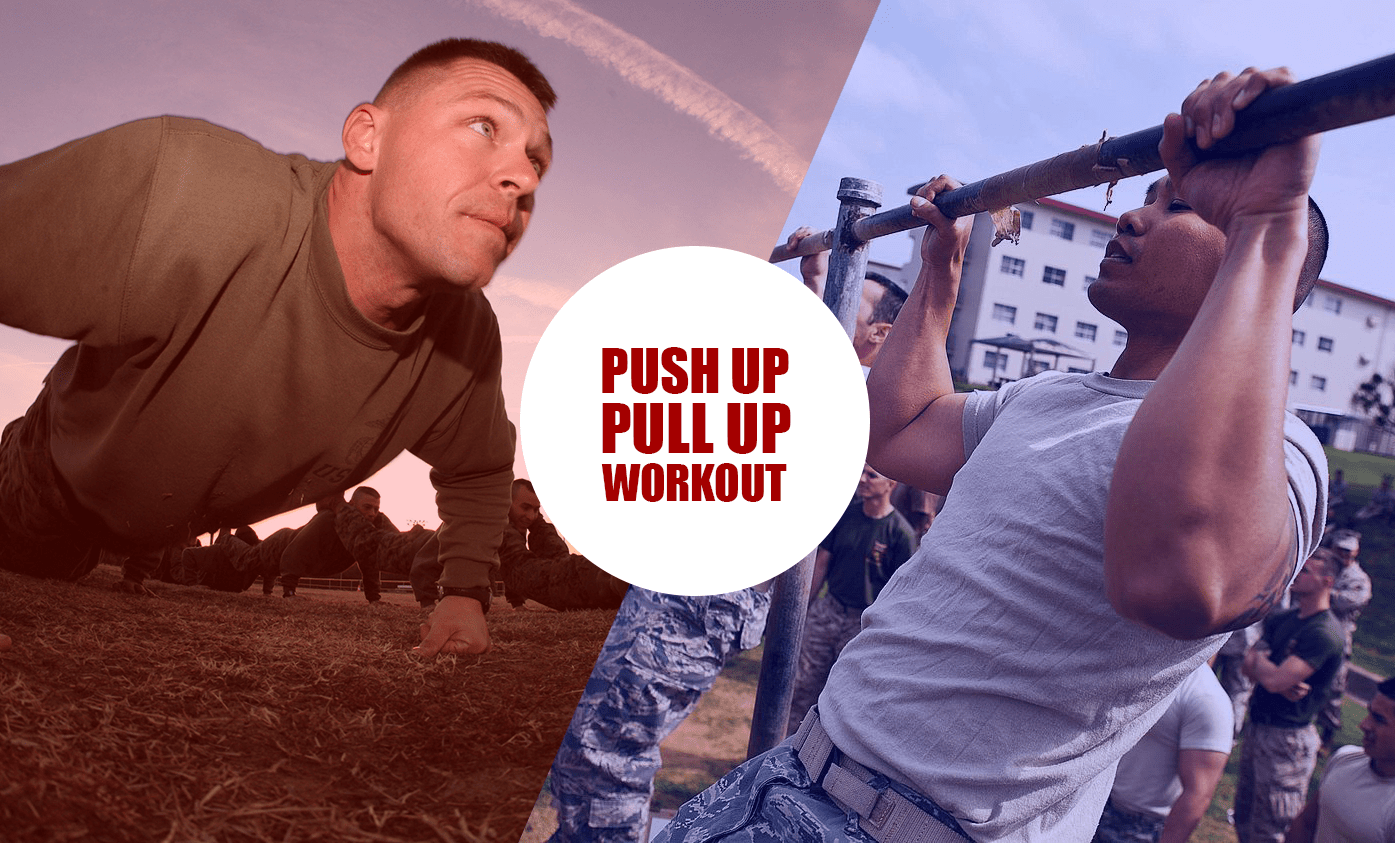
7. Pseudo Pull-Ups
The pull-up is a fantastic exercise. So is the chin-up.Some people have claimed that pull-ups are to the upper body what squats are to the lower body.
I agree.
I believe everyone should do pull-ups on a regular basis. (I personally have a pull-up tower so that I can do them at home regularly.
Unfortunately, the name “chin-up” has done this exercise a great disservice.Somehow, people have assumed that the point of the exercise is to get your chin above the bar.
8. Ab Machines
Sure, ab machines are a lot more comfortable than arms-behind-the-head sit-ups, but they can make it awkward to activate your ab muscles correctly, says Jessica Fox.
Try Instead: Planks
9. The Dumbbell Chest Fly
The shoulders seem to take the brunt of injury due to bad upper body exercises. And the dumbbell chest fly is an issue for the shoulder health of many people.
But the problem with the movement is that your coracobrachialis muscles are being stretched rather than your chest when arms are fully extended during the fly. The pectoralis muscles can only stretch so far and increased leverage from extended arms will only increase the risk of tearing a pec muscle.
Best Alternative: Single-arm cable crossover with arms bent
10. Chair Dips
Dips are traditionally a great compound exercise for the upper body. In essence, they are a much more difficult variation of a push-up. However far too many people are trying to perform this advanced exercise without adequate preparation.
Even worse, a lot of workout programs recommend that beginners do a scaled variation of this exercise on a chair or a bench.
The chair makes it easier because your feet are flat on the floor taking away a lot of the weight that you need to lift. However, this is an awful exercise because many people do not have adequate shoulder range of motion to perform this movement safely and effectively.
If you’r looking for workout clothes check out our shapewear and yoga leggings page. Sources:www.whitecoattrainer.com,www.shape.com,www.fitnessvolt.com



































.jpg)

















:max_bytes(150000):strip_icc():format(webp)/football-line-of-scrimmage-83568882-58de892c5f9b5846837b1bc6.jpg)






:max_bytes(150000):strip_icc()/young-woman-training--sprinting-at-coast--downtown-san-diego--california--usa-665481005-5ae0a95feb97de003775bf32.jpg)








 Body To Shape